CBL-514: The Compound Researchers Are Studying for Targeted Fat Reduction
CBL-514 is studied for switching on the programmed death of fat cells in one chosen spot. Here is how it works, what the trials have found so far, and why it is now in Phase 3.
On this page
- What Is CBL-514, and Where Did It Come From?
- Why Is One Patch of Fat So Hard to Shift?
- Detergent, Cold or Apoptosis: Three Ways to Take Fat Cells Away
- What Have the CBL-514 Clinical Trials Found?
- Where Does CBL-514 Stand Today?
- Local Fat, Whole-Body Fat: Where Does CBL-514 Fit?
- The Questions Researchers Are Asking Next
- The Technical Breakdown: DYRK1B, Caspases and How Fat Is Measured
- Identity Comes First: Testing a Compound With a Short Public Record
- Related Compounds Worth Knowing About
- Common Questions About CBL-514
- One Spot, One Population of Cells, and a Phase 3 Finish Line in Sight
- References
Here is a fact that surprises most people: by adulthood, the number of fat cells in your body is more or less fixed. Swedish researchers dated human fat cells using the carbon-14 that Cold War nuclear bomb tests left in our DNA, and found the count stays constant through adult life in lean and obese people alike, even after marked weight loss, with about 10% of fat cells renewed each year (PMID: 18454136). Diets shrink fat cells. They rarely remove them. So a Taiwanese drug developer asked a bolder question: what if the fat cells in one chosen spot could simply be told to retire? Its answer is CBL-514, a compound that has travelled from a first-in-human study in Australia into Phase 3, with two global trials now under way, and one of the most searched names in fat research right now.
This guide explains what CBL-514 is, why it is so often searched as a peptide, how its approach (switching on the programmed death of fat cells) differs from dissolving or freezing them, and what each trial has found, from abdominal fat and cellulite to the painful lipomas of Dercum's disease. It also covers its development status, checked at source, and how it compares with whole-body fat research compounds such as AOD-9604, 5-Amino-1MQ and MOTS-c, which sit alongside our CBL-514 Research Compound in the Metabolic Research Peptides category. Every compound mentioned here that Crown Peptides supplies is sold strictly for laboratory research use only, and this guide is written for readers interested in the science.
What Is CBL-514, and Where Did It Come From?
CBL-514 is an investigational drug candidate from Caliway Biopharmaceuticals of New Taipei City, Taiwan, a company listed on the Taiwan Stock Exchange. The published trials describe it as an injectable lipolysis agent that induces adipocyte apoptosis. In plain English, when it is placed into the layer of fat under the skin, it is studied for making the fat cells in that spot die off in an orderly, programmed way so that the body clears them, leaving a thinner, smaller fat layer behind (PMID: 35709509).
From a first-in-human study to a multi-country programme
The first human study, a single-ascending-dose study of abdominal fat in 40 healthy volunteers in Australia, mostly double-blind with each person acting as their own placebo control, completed its primary phase in 2019 (ClinicalTrials.gov NCT04699669). Caliway now reports more than 544 trial participants, and that all primary and key secondary efficacy endpoints were met in the ten trials with finalised statistical reports (Caliway, 25 August 2026). The programme spans abdominal fat, cellulite, Dercum's disease, visceral fat and a planned combination with tirzepatide.
Peptide or small molecule? Why the name causes confusion
Here is the part worth getting right. Caliway and its recent trial papers describe CBL-514 as a small molecule, not a peptide (PMID: 40037659). Caliway calls it a patented, first-in-class small-molecule drug on the US 505(b)(1) route for full new-drug applications (Caliway, 23 September 2026).
So why do so many people search "CBL-514 peptide"? Because it lives in the peptide world: it is studied in fat research next to peptides such as AOD-9604 and MOTS-c, it is supplied by companies best known for peptides, and "peptide" has become shorthand for almost any new research compound. For what makes a true peptide, see What Are Peptides?
- Also known as
- CBL514, CBL 514
- Developer
- Caliway Biopharmaceuticals, New Taipei City, Taiwan
- Classification
- Small-molecule injectable lipolysis agent (developer-described)
- Proposed mechanism
- Induces adipocyte apoptosis; reported in company nonclinical data to inhibit the kinase DYRK1B
- Structure
- Not publicly disclosed
- Research status
- Phase 3: two global pivotal trials (SUPREME-01 and SUPREME-02) enrolling in the United States, Canada and Australia; Phase 2 completed in abdominal fat, cellulite and Dercum's disease
Why Is One Patch of Fat So Hard to Shift?
To see why CBL-514 has caught so much attention, it helps to know what it is up against.
A fixed crowd of cells that swells and shrinks
The 2008 Karolinska study that opened this guide found that fat cell number is a major determinant of how much fat an adult carries, that the number appears to be set during childhood and adolescence, and that neither the rate of fat cell death nor the rate of new cell formation was altered in people with early-onset obesity, suggesting the body regulates the count tightly (PMID: 18454136). When someone loses weight, their fat cells mostly shrink, waiting to refill. Reducing the number of cells in a spot is a completely different lever from shrinking them, and that is the lever CBL-514 is studied for.
Subcutaneous fat vs visceral fat
Fat comes in two main depots. Subcutaneous fat sits just under the skin: the pinchable layer on the lower belly, flanks, thighs and under the chin. Visceral fat sits deeper, packed around the organs. In the Framingham Heart Study, CT scans of 3,001 people linked both depots to blood pressure, blood sugar and blood fats, but visceral fat more strongly: in women, each step up in visceral fat raised the odds of metabolic syndrome with an odds ratio of 4.7, against 3.0 for subcutaneous fat, and in men 4.2 against 2.5 (PMID: 17576866).
Subcutaneous fat is the depot people notice in the mirror, and localised pockets of it are often resistant to diet and exercise, as CBL-514's first trial authors put it (PMID: 35709509). That is CBL-514's target, although one recent analysis looked deeper too.
Lipolysis empties a fat cell but leaves it in place
Lipolysis breaks stored fat (triglycerides) into fatty acids the body can burn. In 2004, a Graz team found that an enzyme called adipose triglyceride lipase, or ATGL, carries out the first step, alongside the long-known hormone-sensitive lipase (PMID: 15550674). Fasting, exercise and many fat-research compounds act through this pathway. But lipolysis empties the cell; it does not remove it. The emptied cell stays put, ready to refill.
Apoptosis: the cell's own quiet exit
Cells can die in two very different ways. Necrosis is messy: the cell bursts, spills its contents and triggers inflammation. Apoptosis is tidy: the cell dismantles itself into neat packages that immune cells clear away. Fat cells are capable of the tidy version. In a 1997 Cambridge study, the signalling protein TNF-alpha triggered apoptosis in cultured human preadipocytes and mature fat cells, with 5 to 25% of cells affected against 0 to 2.3% in untouched cultures (PMID: 9392477). CBL-514 is studied as a way to switch that exit on deliberately, in one place, without touching the rest of the body's fat.
Detergent, Cold or Apoptosis: Three Ways to Take Fat Cells Away
CBL-514 is not the first attempt to remove fat cells without surgery. So what makes it different?
Deoxycholic acid: the detergent approach
For years, clinics used "fat-dissolving" mixtures of phosphatidylcholine and a bile salt, sodium deoxycholate. In 2004, a UCLA team showed that in cell cultures and pig tissue, the mixture and deoxycholate alone burst cell membranes and disrupted both fat and muscle, much like laboratory detergents. (PMID: 15209790).
Deoxycholic acid was later developed as ATX-101, sold in the United States as Kybella, and licensed in the United States and Canada for fat under the chin. In the REFINE-1 Phase 3 trial, 256 people received ATX-101 and 250 placebo. A composite one-grade improvement in chin fat was seen in 70.0% versus 18.6%, a two-grade improvement in 13.4% versus 0%, and MRI responses in 46.3% versus 5.3%. Temporary weakness of a facial nerve branch was reported in 4.3% of ATX-101 recipients, mostly mild and fully resolving (PMID: 26673433).
Beyond the chin, a 2026 systematic review pulled together 25 studies covering 3,178 patients given injectable fat-reducing agents, from deoxycholic acid and phosphatidylcholine to newcomers such as CBL-514. Fat reductions were reported in 93.75% of the studies, adverse events were generally mild and transient, and deoxycholic acid remained the only FDA-approved agent, for the chin alone (PMID: 41296813).
Cryolipolysis: the cold approach
The other big idea came from Massachusetts General Hospital, where Dieter Manstein and Rox Anderson cooled patches of pig skin. The fat layer became inflamed and then gradually lost several millimetres over three and a half months, typically with no skin injury, no scarring and no significant rise in blood fats (PMID: 18951424). That became "fat freezing". It has one famous oddity: paradoxical adipose hyperplasia, where the cooled area grows instead of shrinking, first reported in 2014 with an estimated incidence of 0.0051% (PMID: 24382640).
Where CBL-514 is different
Detergents burst cells. Cold injures them and the body cleans up the damage. CBL-514 is studied for a third route: nudging fat cells into apoptosis, their own controlled shutdown. The authors of the Phase 2b trial note that the earlier Phase 2 studies observed no necrosis or nerve injury (PMID: 42159040). It needs no device and has been studied across the abdomen. A head-to-head trial against the other methods has not yet been run; the Phase 2a authors called for one (PMID: 35709509).
What Have the CBL-514 Clinical Trials Found?
This is where the story gets exciting. Every result below comes from Caliway's investigational CBL-514 injection in registered clinical trials.
Phase 2a: about a quarter of the fat volume gone
The first published trial ran at one Australian site in 2020. It was open-label, with 43 participants (COVID-19 cut recruitment) allocated at random to three dose levels, given up to four sessions and scanned by ultrasound 4 and 8 weeks later. The two higher dose levels significantly reduced both the volume and thickness of abdominal fat compared with baseline, and the effect climbed with dose: at the first follow-up, fat volume fell by 5.38%, 16.53% and 23.13% across the low, middle and high levels. In the per-protocol group at the top level, fat volume fell by 119.82 mL, or 24.96%, and fat thickness by 7.66 mm (PMID: 35709509). The authors put the effect down to fat cells being switched into apoptosis.
Phase 2: the placebo test
An open-label result always invites the question: compared with what? So the next trial added a placebo. Across five centres in the United States and Australia, 76 people were randomised 2:1 to CBL-514 or saline, with participants blinded (NCT04897412). The primary goal was losing at least 150 mL of abdominal fat. By the 8-week check after the last session, 69.6% of people given CBL-514 had cleared that bar, compared with nobody on placebo; 60.9% went beyond 200 mL, and 42.9% of those who passed 150 mL needed only one session to do it. The average fall at 8 weeks was 209.46 mL, a difference of 216.28 mL from placebo (PMID: 40037659).
One detail makes this especially convincing: body weight barely moved (an average change of 0.02 kg at 8 weeks; PMID: 40037659). Fat left the targeted area without overall weight loss, exactly what a local effect should look like.
Phase 2b: MRI and the mirror test
Phase 2b brought in MRI, which scans the entire fat layer, and rating scales scored separately by clinicians and participants. It randomised 108 adults with moderate or severe abdominal fat 1:1 to CBL-514 or placebo (NCT05736107). Twelve weeks on, clinicians rated 76.7% of CBL-514 participants at least one grade better, against 18.9% on placebo; on the participants' own scale the figures were 76.7% and 19.4%. On MRI, abdominal fat volume dropped by an average of 152.9 mL (20.3%), and most responders got there within one or two sessions (PMID: 42159040).
A second, 173-person Phase 2b followed (NCT06005441). Across its Phase 2b work, Caliway reports that 24 to 32% of CBL-514 participants achieved a two-grade improvement on the participant scale and 23 to 30% on the clinician scale, against 0 to 2.5% on placebo (Caliway, 28 July 2026). In that 173-person trial, 21.2% of CBL-514 participants improved by two grades on the clinician and participant scales combined, the exact Phase 3 target, against 0% on placebo, and 63.6% improved by at least one grade against 10.8% (Caliway, 31 August 2026).
A surprise from the MRI scans: visceral fat
Then came a twist. At the European Association for the Study of Diabetes meeting in Milan, W. Timothy Garvey of the University of Alabama at Birmingham presented MRI data on deeper visceral fat from 40 Phase 2b participants. Four weeks after the last session, visceral fat had fallen by 12.01% with CBL-514 and risen by 5.68% with placebo; at the later follow-up, the figures were a 10.45% fall against an 11.76% rise (Caliway, 2 October 2026). It is a small, not yet peer-reviewed subgroup analysis, but an intriguing signal.
Cellulite: a two-stage Phase 2
Cellulite is scored on photo-based scales built on the 2009 Hexsel scale (PMID: 19220646). Caliway used a modified version, scored from 1 to 9, in a two-stage, open-label Phase 2 on the thighs (NCT05632926, NCT05836779). Stage 1 tested three dose levels in 12 people; Stage 2 gave 23 people up to two sessions. In Stage 2, the average score fell from 6.5 by 1.3 points four weeks after the final session, and investigators and participants rated more than 95% of people as improved (Caliway via BioSpace, 25 April 2024). These are company-reported topline results from a small, uncontrolled study, but they keep cellulite firmly in the programme.
Dercum's disease and painful lipomas
Dercum's disease, or adiposis dolorosa, combines painful fat tissue with, in its nodular forms, multiple painful lipomas (soft, fatty lumps). It most often appears between 35 and 50 and is five to thirty times more common in women than in men (PMID: 22546240).
The published Phase 2a study enrolled 12 adults with at least four painful lipomas at a US site between October 2022 and April 2023, randomised to two dose levels for up to two sessions (NCT05387733). Median lipoma volume fell by 46.0% and 59.1% in the two groups at 4 weeks, and by 45.0% and 50.7% at 8 weeks. Between 80.0% and 89.2% of lipomas shrank, and by 8 weeks 17.5% and 35.1% had cleared completely. Pain scores fell by a median of 4.0 points in both groups (PMID: 41623934). It was small, open-label and short, as the authors note, but the numbers are striking.
The follow-up was a single-blind, placebo-controlled Phase 2 (NCT06303570). It met its primary endpoint, Caliway reports: at week 20, pain scores fell by 3.1 points with CBL-514 against 1.9 with placebo, widening to 4.1 against 1.7 by week 24 (p=0.005 for the primary endpoint), with no drug-related serious adverse events; in an exploratory analysis, about 90% of CBL-514 patients had at least a 3-point pain reduction in more than half of their treated lipomas (Caliway, 21 September 2026). CBL-514 holds FDA Orphan Drug and Fast Track designations here, plus an EMA orphan designation (Caliway via BioSpace, November 2024), and a 2026 review lists it among five newer approaches (PMID: 42488923).
What did the trials report about side effects?
The pattern is consistent and mostly local. In the Phase 2a study, every participant had at least one adverse event, mostly at the injection site (bruising, redness, pain, swelling, firmness, and itching in 95.3%). About 80% were mild, most cleared within two weeks, none was serious, and seven people withdrew, mainly over site pain. Four people whose blood fats were already near or above the upper normal limit had mild rises the investigator could not firmly link to the drug (PMID: 35709509). The placebo-controlled trials reported mainly mild to moderate, transient site reactions (PMID: 40037659; PMID: 42159040), and the Dercum's Phase 2a reported no serious events (PMID: 41623934).
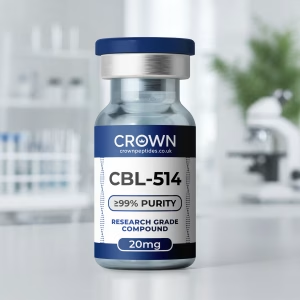
CBL-514 Research Compound
Out of stock · every batch HPLC and MS tested
View CBL-514 Research Compound ›Where Does CBL-514 Stand Today?
CBL-514 is in Phase 3, the final stage of clinical testing before a marketing application, with two pivotal trials running side by side. Checked at source on 3 November 2026, the programme stands as follows:
- SUPREME-01 (Phase 3): a randomised, double-blind, placebo-controlled trial of about 320 people in the United States and Canada (NCT07140939). Its first participant was dosed in September 2026, and its primary goal is a two-grade improvement on both the participant and clinician fat rating scales (Caliway, 23 September 2026). The registry gives an estimated primary completion of July 2027.
- SUPREME-02 (Phase 3): the FDA cleared its investigational new drug application in May 2026 (ReachMD, 22 May 2026). It aims for about 320 people at 30 to 35 sites in the United States, Canada and Australia, and Caliway announced on 29 October 2026 that enrolment had begun (Caliway, 29 October 2026; NCT07526974).
- Long-term follow-up (Phase 3b): an extension for people who complete either Phase 3 trial has cleared the FDA's 30-day review and is registered to start in December 2026 (NCT07733947; Caliway, 31 August 2026).
- Asia-Pacific Phase 2: a placebo-controlled study with long-term re-treatment, aiming for about 250 people, is enrolling in Australia and Taiwan (NCT07608770; Caliway, 29 October 2026).
- Dercum's disease: the placebo-controlled Phase 2 met its primary endpoint, and Caliway now plans to work with clinical experts on whether lipoedema could follow (Caliway, 21 September 2026).
- Combination with tirzepatide: the FDA cleared a Phase 2 trial of about 120 overweight or obese adults in the United States in August 2026 (Caliway, 25 August 2026).
- China: Caliway has applied to start a Phase 1 study in about 30 healthy volunteers, the first step towards a Chinese Phase 3 (Caliway, 3 August 2026).
Caliway says the two Phase 3 trials will generate the evidence for future new drug applications, and the first Phase 3 results are expected at the end of 2027 (Caliway, 2 October 2026). Between 2026 and 2028 it expects to run nine trials in five countries across four indications, with more than 1,000 participants in all (Caliway, 31 August 2026). For how UK law applies to research compounds in the meantime, see Are Peptides Legal in the UK?
Local Fat, Whole-Body Fat: Where Does CBL-514 Fit?
The weight-loss story of the decade has been the GLP-1 medicines, which work on the whole body through appetite. Their limit is what happens afterwards. In the STEP 1 trial extension, people who had lost an average of 17.3% of their body weight on semaglutide regained 11.6 percentage points within a year of stopping, keeping a net loss of 5.6% (PMID: 35441470). Shrunken fat cells, as the Karolinska work suggests, are ready to refill.
Caliway's bet is that removing cells in one area complements shrinking them everywhere. In animals, CBL-514 plus tirzepatide led to less weight regain after tirzepatide was stopped than tirzepatide alone (a 17.1% rebound four weeks later, against 46.1%; Caliway, 31 August 2026), though Garvey stressed that research is needed to prove the idea in people (Caliway, 2 October 2026). A further preclinical study, to be presented by Garvey at ObesityWeek in Washington, DC on 15 November 2026, paired CBL-514 with semaglutide and, separately, with the amylin-receptor compound eloralintide; Caliway reports extra weight loss and less regain after dosing stopped (Caliway, 29 October 2026). These are company-reported animal findings awaiting publication. Eloralintide is available as our Eloralintide Research Peptide, and our Eloralintide guide explains amylin research.
In research design terms, that makes CBL-514 a natural partner for compounds that ask how fat cells store and burn energy. Think of three layers: how many fat cells there are in a spot (CBL-514), how full they are (lipolysis compounds such as AOD-9604), and how the body spends the energy released (compounds such as MOTS-c, SLU-PP-332 and AICAR). Our article Best Peptides for Weight Loss Research maps the whole-body side, and AOD-9604 vs 5-Amino-1MQ compares two very different routes into fat metabolism.
The Questions Researchers Are Asking Next
The trials so far show fat at the target site going down. The next questions are even more interesting. Does the result last? If adults hold their fat cell count steady, does the body replace cells removed from one spot? The Phase 3b extension will look. How exactly does it work? The proposed target, DYRK1B, comes from company studies that have not yet been published in full. How far does it reach? A registered Phase 2 was designed for thigh as well as abdominal fat (NCT04575467), and the visceral fat signal deserves a dedicated trial.
The Technical Breakdown: DYRK1B, Caspases and How Fat Is Measured
For readers who like the molecular detail, here it is; nothing above depends on it.
The proposed target: DYRK1B
The Phase 2a paper reports that, in Caliway's nonclinical studies, CBL-514 induced adipocyte apoptosis and lipolysis in vitro, reduced subcutaneous fat in animals, inhibited the cell survival kinase DYRK1B, and increased the apoptosis mediators caspase 3 and the Bax/Bcl-2 ratio, with dose-dependent apoptosis in vitro and in vivo; these reports are unpublished and confidential (PMID: 35709509).
DYRK1B is a plausible target in fat. In 2014, a Yale-led team studying three large families with early-onset coronary disease, central obesity, high blood pressure and diabetes found a founder mutation in DYRK1B (arginine to cysteine at position 102). The normal protein inhibits the sonic hedgehog and Wnt signalling pathways and so enhances adipogenesis, the formation of new fat cells; the mutant form had gain-of-function activity (PMID: 24827035). A kinase that supports fat cell formation and survival is a logical brake to release if the aim is to retire fat cells.
The apoptosis machinery
Apoptosis is governed by the Bcl-2 protein family: Bcl-2 keeps the mitochondrial outer membrane intact, while Bax permeabilises it, releasing cytochrome c and activating executioner caspases such as caspase 3.
How the trials measured fat
The Phase 2a and Phase 2 trials measured fat thickness by ultrasound at fixed points, then estimated volume as thickness multiplied by a defined area of 150 cm² or 300 cm² (PMID: 35709509; PMID: 40037659). The Phase 2b trial added whole-region MRI volumetry and the clinician- and patient-reported Abdominal Fat Rating Scales (PMID: 42159040); both Phase 3 trials use version 8.0 of the scale and target two-grade improvements.
Identity Comes First: Testing a Compound With a Short Public Record
With a well-known peptide, researchers can lean on decades of published reference data. CBL-514 is a new small molecule whose developer has not published its structure, so the most basic question matters most: is the molecule in the vial the one the label names? Mass spectrometry answers that by weighing the molecule; HPLC shows how pure the batch is.
Every product we sell, our CBL-514 Research Compound included, has its batch certificate published on our Lab Reports page, covering HPLC purity and mass spectrometry identity and matched to the batch number on the vial. See our guides to reading a certificate of analysis and HPLC and mass spectrometry. Crown Peptides has no connection with Caliway Biopharmaceuticals, and the research material we supply is not Caliway's clinical trial product. Vials are supplied as a dry powder and kept cold (see our storage information); weekday orders placed before 2pm leave the same day, UK delivery is free over £100, and we usually reply within 24 hours on business days, or faster on WhatsApp, through our contact page.
Related Compounds Worth Knowing About
CBL-514 asks what happens when fat cells in one spot are removed. The compounds below ask what happens inside fat cells, and across the body, when energy is stored and spent.
Inside the fat cell: AOD-9604, 5-Amino-1MQ and NAD+
AOD-9604 is a modified fragment of growth hormone. In obese mice, 14 days of it reduced body weight and fat and restored suppressed expression of the beta-3 adrenergic receptor, the main fat-releasing receptor on fat cells (PMID: 11713213). It is a lipolysis tool: it asks the cell to empty, where CBL-514 asks it to go. Our AOD-9604 article tells its story.
5-Amino-1MQ blocks the enzyme NNMT. In cultured fat cells, NNMT inhibitors raised NAD+ and suppressed fat-making, and in diet-induced obese mice a potent inhibitor reduced body weight, white fat mass and fat cell size without changing food intake (PMID: 29155147). See 5-Amino-1MQ: Blocking the Enzyme That Tells Fat Cells to Store. The co-factor at the centre of that work is our NAD+ Research Compound.
Energy and mitochondria: MOTS-c, SLU-PP-332, AICAR and L-Carnitine
MOTS-c is a 16-amino-acid peptide encoded in mitochondrial DNA. It activates AMPK, the cell's energy sensor, and in mice it prevented diet-induced obesity and insulin resistance (PMID: 25738459); our MOTS-c guide has the full picture. SLU-PP-332 activates the oestrogen-related receptors; in obese mice it increased energy expenditure and fat burning and reduced fat mass (PMID: 37739806), as our SLU-PP-332 guide explains. AICAR activates AMPK directly; four weeks of it raised running endurance in sedentary mice by 44% (PMID: 18674809), detailed in our AICAR guide. L-Carnitine carries fatty acids into mitochondria to be burned; see L-Carnitine: The Molecule That Decides Which Fuel Your Mitochondria Actually Burn.
Visceral fat: Tesamorelin
If CBL-514 is the subcutaneous story, tesamorelin is the visceral one, and it is available as our Tesamorelin research peptide. In a 26-week trial of 412 people with HIV and abdominal fat build-up, this GHRH analogue cut visceral fat by 15.2% while it rose 5.0% on placebo, and improved triglycerides (PMID: 18057338). Developed separately as a medicine, tesamorelin is approved in the United States under the name Egrifta for HIV-associated abdominal fat. Our Tesamorelin guide covers it in depth.
Skin and connective tissue: GHK-Cu
Cellulite involves skin and fibrous bands as well as fat. GHK-Cu, the copper tripeptide studied in collagen and skin research, covers that side; see our GHK-Cu guide.
Three compounds in one pack
The Metabolic Research Bundle combines MOTS-c, 5-Amino-1MQ and AOD-9604, explained in Three Peptides, One Metabolic Pathway. CBL-514 sits with AOD-9604, 5-Amino-1MQ, MOTS-c, AICAR, SLU-PP-332, L-Carnitine and Tesamorelin in our Metabolic Research Peptides category, and with the other non-peptide molecules in our Research Compounds range.
Common Questions About CBL-514
What is CBL-514's chemical structure?
Caliway describes CBL-514 as a patented small molecule but has not published its structure in the trial papers, and we found no public structure record under the name CBL-514. What has been described is its proposed target, the kinase DYRK1B, and its effect: apoptosis of fat cells.
Is CBL-514 FDA approved?
Not yet. CBL-514 has not been licensed as a medicine by the FDA or any other regulator. It is in Phase 3, and its FDA Orphan Drug and Fast Track designations for Dercum's disease support development but are not approvals.
When could CBL-514 become available as a medicine?
CBL-514 is in Phase 3, the last stage of clinical testing, with two global trials enrolling. The first Phase 3 results are expected at the end of 2027; if they are positive, Caliway would then file a new drug application for FDA review.
What did the CBL-514 clinical trials find?
In abdominal fat: about a quarter of fat volume lost at the top dose in Phase 2a, 69.6% losing at least 150 mL against none on placebo in Phase 2, and a 20.3% fall in MRI fat volume in Phase 2b.
What happened to lipomas in the CBL-514 trials?
The published lipoma data come from Dercum's disease. In a 12-person Phase 2a, median lipoma volume fell by up to 59.1% at four weeks, up to 35.1% of lipomas cleared completely by eight weeks, and pain fell by a median of 4 points.
What side effects were reported in CBL-514 trials?
Mainly local injection-site reactions such as bruising, redness, pain, swelling and itching, mostly mild to moderate and temporary. No serious adverse events were reported in the published Phase 2a abdominal or Dercum's studies.
Can CBL-514 reduce visceral fat?
Possibly. In a 40-person MRI subgroup from two Phase 2b trials, visceral fat fell by 12.01% with CBL-514 against a 5.68% rise with placebo four weeks after the last session. It is a small conference analysis, so a dedicated trial is needed.
Do fat cells grow back after CBL-514?
That is a key open question. Adults renew about 10% of fat cells a year while holding the total steady, so the long-term extension study will be watched closely.
One Spot, One Population of Cells, and a Phase 3 Finish Line in Sight
For decades, fat research has mostly asked how to make fat cells smaller. CBL-514 asks whether they can be made fewer, exactly where you choose, using a process the body already has. Four published trials and two Phase 3 studies later, that question has never looked more interesting.
The next two years will show whether the results hold in hundreds of people, whether removed cells stay gone, and whether local and whole-body approaches work better together. If your own work is heading into adipocyte biology, start with our CBL-514 Research Compound.
References
- Spalding KL, Arner E, Westermark PO, et al. Dynamics of fat cell turnover in humans. Nature. 2008;453:783-7. PMID: 18454136
- Goodman GJ, Ho WWS, Chang KJ, et al. Efficacy of a Novel Injection Lipolysis to Induce Targeted Adipocyte Apoptosis: A Randomized, Phase IIa Study of CBL-514 Injection on Abdominal Subcutaneous Fat Reduction. Aesthet Surg J. 2022;42:NP662-NP674. PMID: 35709509
- Gold M, Schlessinger J, Goodman GJ, et al. Efficacy and Safety of CBL-514 Injection in Reducing Abdominal Subcutaneous Fat: A Randomized, Single-Blind, Placebo-Controlled Phase II Study. Aesthet Surg J. 2025;45:611-620. PMID: 40037659
- Lorenc ZP, Gold M, Schlessinger J, et al. Randomized Phase 2b Trial of CBL-514 Injection for Abdominal Subcutaneous Fat Reduction With Clinician- and Patient-reported Outcomes and MRI Assessment. Aesthet Surg J. 2026. PMID: 42159040
- Herbst KL, Ling YF, Sheu AY, et al. Efficacy and safety of CBL-514 for Dercum disease lipomas: A randomized phase 2a study. JAAD Int. 2026;25:1-4. PMID: 41623934
- Fox CS, Massaro JM, Hoffmann U, et al. Abdominal visceral and subcutaneous adipose tissue compartments: association with metabolic risk factors in the Framingham Heart Study. Circulation. 2007;116:39-48. PMID: 17576866
- Zimmermann R, Strauss JG, Haemmerle G, et al. Fat mobilization in adipose tissue is promoted by adipose triglyceride lipase. Science. 2004;306:1383-6. PMID: 15550674
- Prins JB, Niesler CU, Winterford CM, et al. Tumor necrosis factor-alpha induces apoptosis of human adipose cells. Diabetes. 1997;46:1939-44. PMID: 9392477
- Rotunda AM, Suzuki H, Moy RL, et al. Detergent effects of sodium deoxycholate are a major feature of an injectable phosphatidylcholine formulation used for localized fat dissolution. Dermatol Surg. 2004;30:1001-8. PMID: 15209790
- Jones DH, Carruthers J, Joseph JH, et al. REFINE-1, a Multicenter, Randomized, Double-Blind, Placebo-Controlled, Phase 3 Trial With ATX-101, an Injectable Drug for Submental Fat Reduction. Dermatol Surg. 2016;42:38-49. PMID: 26673433
- Carrion K, Salingaros S, Bernal C, et al. A Systematic Review of Injectable Lipolytic Agents for Nonsubmental Fat Reduction. Plast Reconstr Surg. 2026;158:414-423. PMID: 41296813
- Manstein D, Laubach H, Watanabe K, et al. Selective cryolysis: a novel method of non-invasive fat removal. Lasers Surg Med. 2008;40:595-604. PMID: 18951424
- Jalian HR, Avram MM, Garibyan L, et al. Paradoxical adipose hyperplasia after cryolipolysis. JAMA Dermatol. 2014;150:317-9. PMID: 24382640
- Hexsel DM, Dal'forno T, Hexsel CL. A validated photonumeric cellulite severity scale. J Eur Acad Dermatol Venereol. 2009;23:523-8. PMID: 19220646
- Hansson E, Svensson H, Brorson H. Review of Dercum's disease and proposal of diagnostic criteria, diagnostic methods, classification and management. Orphanet J Rare Dis. 2012;7:23. PMID: 22546240
- Idris YA, Janis JE. Dercum's Disease: A Practical Review of Existing and Novel Therapies. Plast Reconstr Surg Glob Open. 2026;14:e7907. PMID: 42488923
- Wilding JPH, Batterham RL, Davies M, et al. Weight regain and cardiometabolic effects after withdrawal of semaglutide: The STEP 1 trial extension. Diabetes Obes Metab. 2022;24:1553-1564. PMID: 35441470
- Keramati AR, Fathzadeh M, Go GW, et al. A form of the metabolic syndrome associated with mutations in DYRK1B. N Engl J Med. 2014;370:1909-1919. PMID: 24827035
- Heffernan M, Summers RJ, Thorburn A, et al. The effects of human GH and its lipolytic fragment (AOD9604) on lipid metabolism following chronic treatment in obese mice and beta(3)-AR knock-out mice. Endocrinology. 2001;142:5182-9. PMID: 11713213
- Neelakantan H, Vance V, Wetzel MD, et al. Selective and membrane-permeable small molecule inhibitors of nicotinamide N-methyltransferase reverse high fat diet-induced obesity in mice. Biochem Pharmacol. 2018;147:141-152. PMID: 29155147
- Lee C, Zeng J, Drew BG, et al. The mitochondrial-derived peptide MOTS-c promotes metabolic homeostasis and reduces obesity and insulin resistance. Cell Metab. 2015;21:443-54. PMID: 25738459
- Billon C, Schoepke E, Avdagic A, et al. A Synthetic ERR Agonist Alleviates Metabolic Syndrome. J Pharmacol Exp Ther. 2024;388:232-240. PMID: 37739806
- Narkar VA, Downes M, Yu RT, et al. AMPK and PPARdelta agonists are exercise mimetics. Cell. 2008;134:405-15. PMID: 18674809
- Falutz J, Allas S, Blot K, et al. Metabolic effects of a growth hormone-releasing factor in patients with HIV. N Engl J Med. 2007;357:2359-70. PMID: 18057338
- ClinicalTrials.gov records for CBL-514: NCT04699669, NCT04575467, NCT04897412, NCT05736107, NCT06005441, NCT05632926, NCT05836779, NCT05387733, NCT06303570, NCT07140939, NCT07526974, NCT07733947, NCT07608770. ClinicalTrials.gov
- Caliway Biopharmaceuticals news releases: 28 July, 3 August, 25 August, 31 August, 21 September, 23 September, 2 October and 29 October 2026. Caliway news
- Caliway Announced CBL-514 Phase 2 Study for Cellulite Treatment Met All Primary and Secondary Endpoints. BioSpace, 25 April 2024. BioSpace
- Caliway Announced EMA Orphan Drug Designation Granted to CBL-514 for Dercum's Disease Treatment. BioSpace, 13 November 2024. BioSpace
- FDA Clears Caliway's Phase 3 CBL-514 Trial for Abdominal Fat Reduction. ReachMD, 22 May 2026. ReachMD