Research Peptides
A high-purity research blend studied in skin, tissue-repair and inflammation research. Available in 80mg, with every batch independently tested and dispatched from the UK.
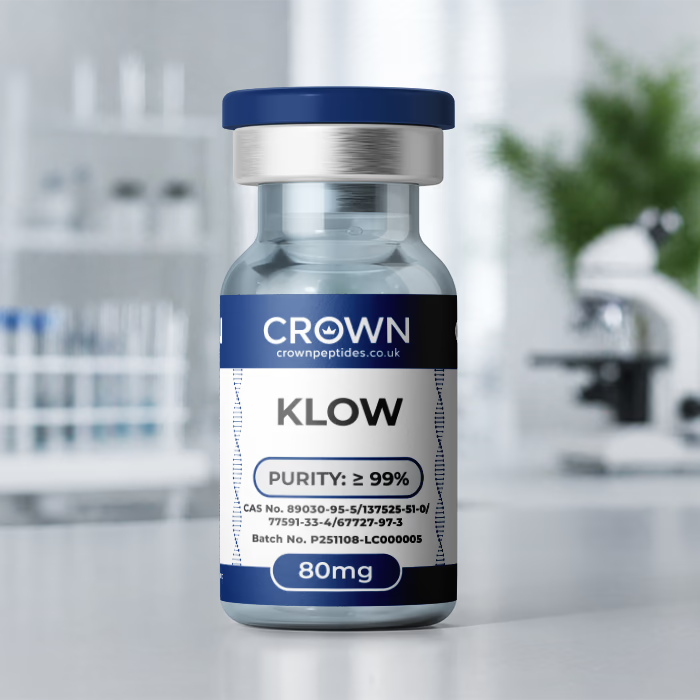
KLOW peptide is Crown Peptides' 80 mg four-compound research blend, supplied in a single vial as GHK-Cu 50 mg, BPC-157 10 mg, TB-500 10 mg and KPV 10 mg. It is also listed as the KLOW blend or KLOW stack — all three names describe this same 80 mg formulation.
Supplied for laboratory research purposes only — not for human consumption or for medical, veterinary or diagnostic use.
GHK-Cu is associated with copper-peptide, fibroblast and matrix-remodelling research (Learn more); BPC-157 with tissue-response, gastrointestinal and vascular models; TB-500 with thymosin-related actin dynamics and cell migration; and KPV with inflammatory and intestinal epithelial research. Together, these research areas explain the scientific interest in bringing all four components into one formulation.
Compound-level reference data. Batch-specific results appear on the Certificate of Analysis.
Work out concentration with the peptide calculatorCrown Peptides KLOW (Blend) is supplied for controlled laboratory research with batch-specific analytical documentation. High-Performance Liquid Chromatography (HPLC) can assess chromatographic purity, while Mass Spectrometry provides molecular information used to support identity verification.
The batch-specific Certificate of Analysis is the definitive source for the exact purity result, identity data and analytical specification of the material supplied.
KLOW peptide contains GHK-Cu 50 mg, BPC-157 10 mg, TB-500 10 mg and KPV 10 mg, giving a total stated content of 80 mg.
GLOW is a 70 mg blend of GHK-Cu 50 mg, BPC-157 10 mg and TB-500 10 mg. KLOW is that same base at the same strengths plus KPV 10 mg, which is the whole of the difference and the reason KLOW totals 80 mg. The three shared compounds are studied around matrix remodelling, tissue response and cell migration; KPV, a tripeptide fragment of alpha-MSH, is studied in inflammatory and intestinal epithelial models instead, so the choice between the two blends comes down to whether that fourth research axis belongs in the work , plus an additional 10 mg of KPV.
KPV is studied in inflammatory-signalling, intestinal epithelial and barrier-related experimental models, adding a different research pathway to the blend.
No. It is a mixture of four separate compounds and therefore has no single molecular formula or molecular weight.
Use the product label and batch-specific Certificate of Analysis to verify the stated composition and analytical results.
Every batch is published openly — identity, purity and batch number, with no account needed.
Supplied for laboratory research purposes only — not for human consumption or for medical, veterinary or diagnostic use.
Each batch undergoes internal analytical verification using chromatographic and spectrometric methods prior to lyophilisation.
• HPLC Analysis
• Mass Spectrometry Confirmation
• Batch Traceability
By purchasing this product you confirm that you are a qualified researcher and that this compound will be used exclusively for laboratory research purposes.
This product is not intended for diagnostic or therapeutic use.
Any human or medical use is strictly prohibited.
Store in a cool, dry, secure and sterile environment away from any unauthorised persons or children.
Disclaimer: All products are sold strictly for laboratory research purposes only. Not for human or veterinary use, consumption, therapeutic, or diagnostic application. By purchasing, you confirm you are a qualified professional and legally permitted to handle these materials in compliance with all applicable laws and regulations. Misuse, resale for unauthorised purposes, or unlawful application is strictly prohibited. Crown Peptides UK disclaims all liability for improper use, handling, or regulatory non-compliance.